
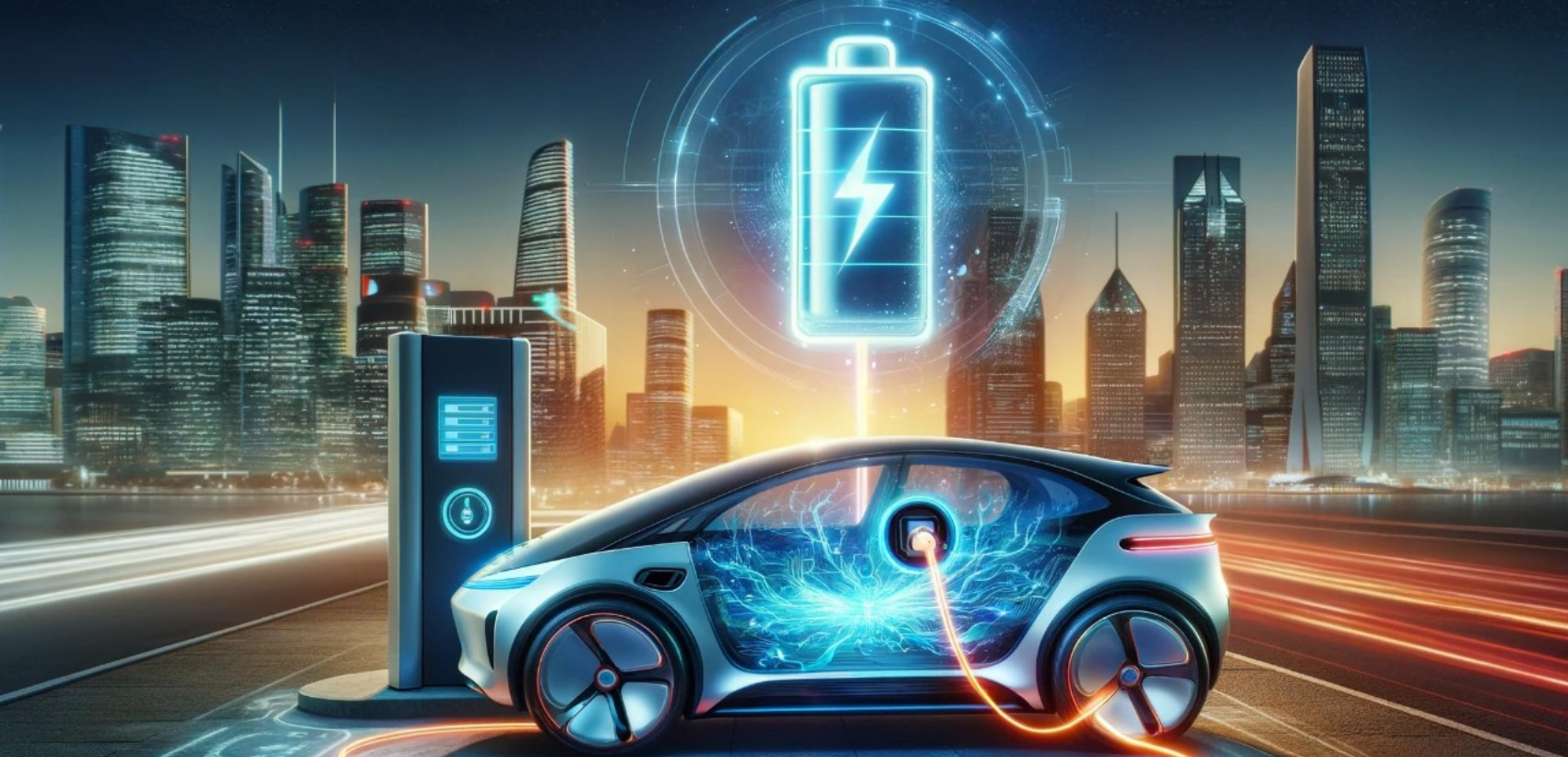
Electric vehicles and hydrogen fuel-cell technologies are key to India's future. They cut pollution, boost energy security, and drive economic growth.
The Promise of Electric Vehicles
Electric vehicles solve India's transportation problems. They directly address urgent issues.
Air Pollution: India's cities choke on pollution from vehicular emissions. Electric vehicles produce no tailpipe emissions, reducing pollutants like particulate matter, nitrogen oxides, and carbon monoxide. Air quality improves, and public health too.
Enhancing Energy Security: India is heavily reliant on imported crude oil. Electric vehicles use domestically generated electricity, especially from solar and wind power. This reduces dependence on imported oil and global oil price fluctuations.
Electric vehicles cut greenhouse gas emissions, mitigating climate change. Even accounting for the emissions associated with electricity generation, EVs typically have a lower carbon footprint than internal combustion engine (ICE) vehicles, especially when powered by renewable energy.
Economic Opportunities: The EV industry presents significant economic opportunities for India. It can stimulate domestic manufacturing of EVs, batteries, and charging infrastructure, creating jobs and fostering technological innovation.
Hydrogen fuel cell technology provides a complementary solution to EVs for India's transport future.
Hydrogen fuel cell technology provides a complementary, essential solution to EVs for India's transport future. Fuel cell vehicles (FCVs), powered by hydrogen, offer capabilities that fill gaps left by EVs, especially for long-haul and heavy-duty needs.
Zero Emissions: FCVs produce no tailpipe emissions, helping to clean the air and create a healthier environment.
Fuel cell vehicles offer comparable range to ICE vehicles and can be refuelled in minutes, addressing range anxiety.
Hydrogen is used in transportation, power generation, and industrial processes.
Potential for Green Hydrogen Production: Hydrogen can be made from solar and wind power through electrolysis, with no carbon emissions.
Existing initiatives lay the groundwork.
Electric vehicles and hydrogen fuel cell tech offer benefits, but several hurdles must be cleared.
High upfront costs make EVs and fuel cell vehicles unaffordable for price-sensitive consumers. Government subsidies are needed to make these technologies more accessible.
Limited charging and refuelling infrastructure hinders EV and fuel cell vehicle adoption. Significant investments are needed to expand the charging and refuelling network.
Advancements in battery and fuel cell technology are necessary to improve performance, reduce costs, and enhance durability.
Increased demand from EVs could strain the existing grid. Upgrading the grid and integrating more renewable energy sources are crucial to ensuring a reliable supply.
A cost-effective way to produce and store hydrogen is essential for fuel cell vehicles.
India can lead the world in clean transportation by embracing electric vehicles and hydrogen fuel-cell tech. Existing initiatives lay the groundwork.
The Faster Adoption and Manufacturing of Electric Vehicles scheme offers financial incentives for buying electric vehicles and building charging infrastructure. The Faster Adoption and Manufacturing of Electric Vehicles scheme offers financial incentives for buying electric cars and building charging infrastructure.
The National Hydrogen Mission aims to promote hydrogen production and use.
The PLI scheme offers financial incentives to companies making electric vehicles, batteries, and hydrogen fuel cells in India.
Conclusion
Electric vehicles and hydrogen fuel cell technology are poised to fundamentally revolutionize India's transportation sector. By overcoming identified challenges and capitalizing on opportunities, India can secure a cleaner, more secure, and economically strong future. The government, private sector, and innovators play crucial roles in realizing this vision.
Stay ahead with the latest updates, insights, and events from Ccentric