
Introduction
The global automotive industry is undergoing a deep transformation, driven by the urgent need to cut greenhouse gas emissions and achieve sustainable mobility. While electric vehicles (EVs) have gained significant traction, hydrogen fuel cell technology (HFCT) is emerging as a complementary option, especially for long-range and heavy-duty applications. For students pursuing a BTech in HFCT, this field is a cutting-edge area of study with huge potential to shape the future of transportation. Companies like Ccentric and other innovators are investing heavily in hydrogen ecosystems, indicating that fuel cells could play a key role in achieving zero-emission mobility.
What Are Hydrogen Fuel Cells?
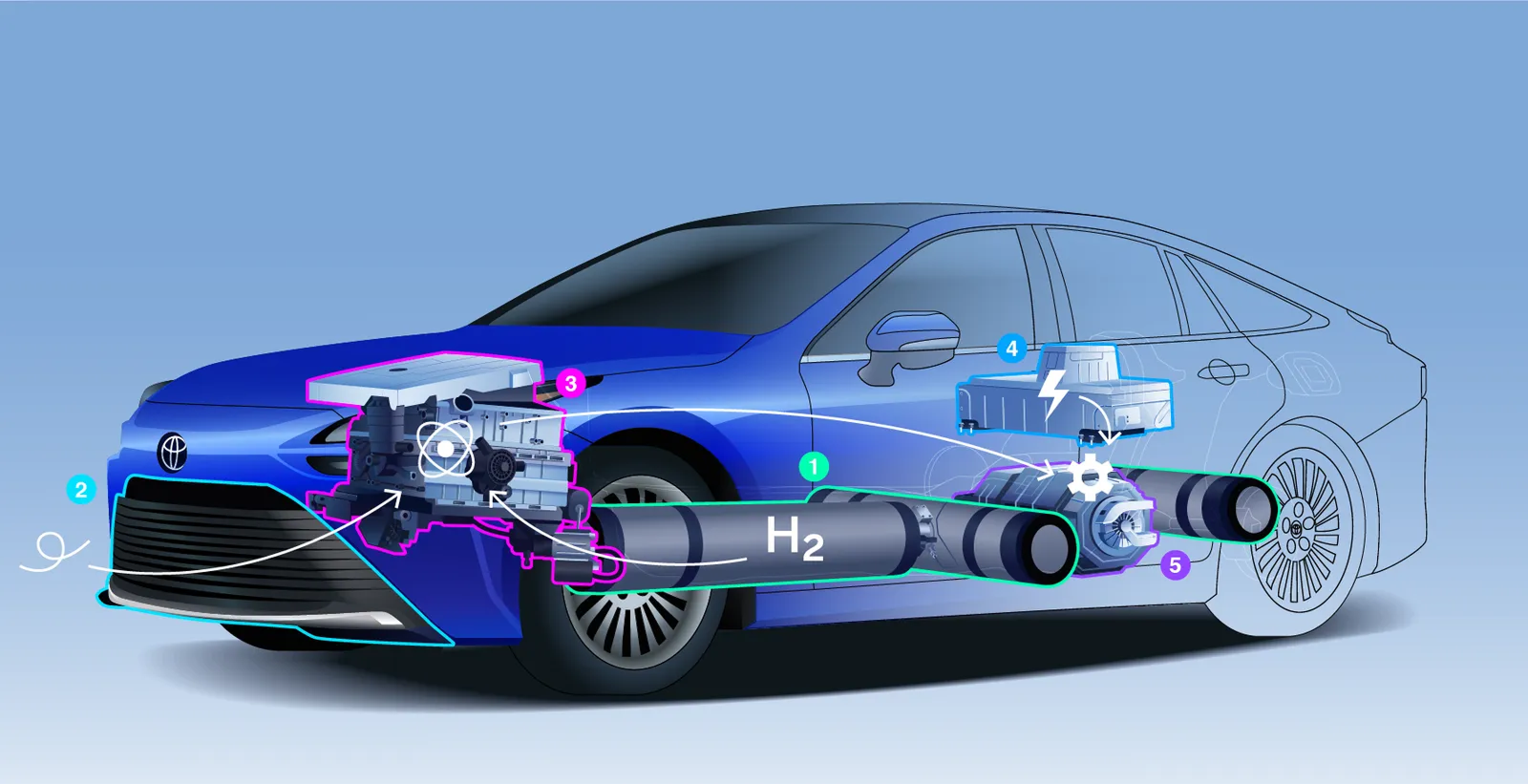
Hydrogen fuel cells generate electricity through a chemical reaction between hydrogen and oxygen, producing only water vapour as a byproduct. Unlike internal combustion engines that emit carbon dioxide, fuel cells are clean, efficient, and scalable. They offer:
For students in BTech HFCT, understanding electrochemical processes, materials science, and the system integration of fuel cells is crucial to advancing this technology.
Opportunities in Hydrogen Fuel Cell Automobiles
Challenges in Adoption
Despite its promise, hydrogen fuel cell technology faces several hurdles:
India’s Perspective
India faces severe air pollution and energy security challenges, making hydrogen a promising solution. The government’s National Hydrogen Mission aims to promote green hydrogen production and adoption across industries. For the automotive sector, hydrogen fuel cells could complement EVs in achieving net-zero emissions by 2070.
Career fairs and academic programs, such as the BTech HFCT program, are preparing students to contribute to this mission. Universities and industry partners are collaborating to provide hands-on training, internships, and research opportunities.
Role of Academia and Industry
Future Outlook
Hydrogen fuel cells are not a silver bullet but a critical piece of the zero-emission puzzle. The future likely involves a hybrid ecosystem where battery EVs dominate urban mobility, while hydrogen FCVs power long-haul and heavy-duty transport.
For students and professionals, this is a once-in-a-generation opportunity to shape the future of mobility. By pursuing BTech HFCT and engaging with industry leaders like Ccentric, they can become pioneers in the hydrogen revolution.
Conclusion
Hydrogen fuel cells in automobiles present both challenges and opportunities. While infrastructure and cost barriers remain, the potential for zero-emission, long-range, and heavy-duty transport is undeniable. With academic programs like BTech HFCT nurturing talent and companies like Ccentric driving innovation, hydrogen fuel cell technology is poised to play a transformative role in achieving sustainable transportation.
The journey toward zero-emission mobility will be complex, but hydrogen fuel cells ensure that the road ahead is not only cleaner but also more resilient and future-ready.
Sources: World Journal of Advanced Research and ReviewsHydrogen fuel cells for automobiles: Challenges and opportunities MDPIHydrogen Fuel Cell Vehicles: Opportunities and Challenges – MDPI manufacturingtodayindia.comOpportunities and challenges of hydrogen-powered vehicles in India
Stay ahead with the latest updates, insights, and events from Ccentric